



Maritime Sector Drives Green Hydrogen Demand
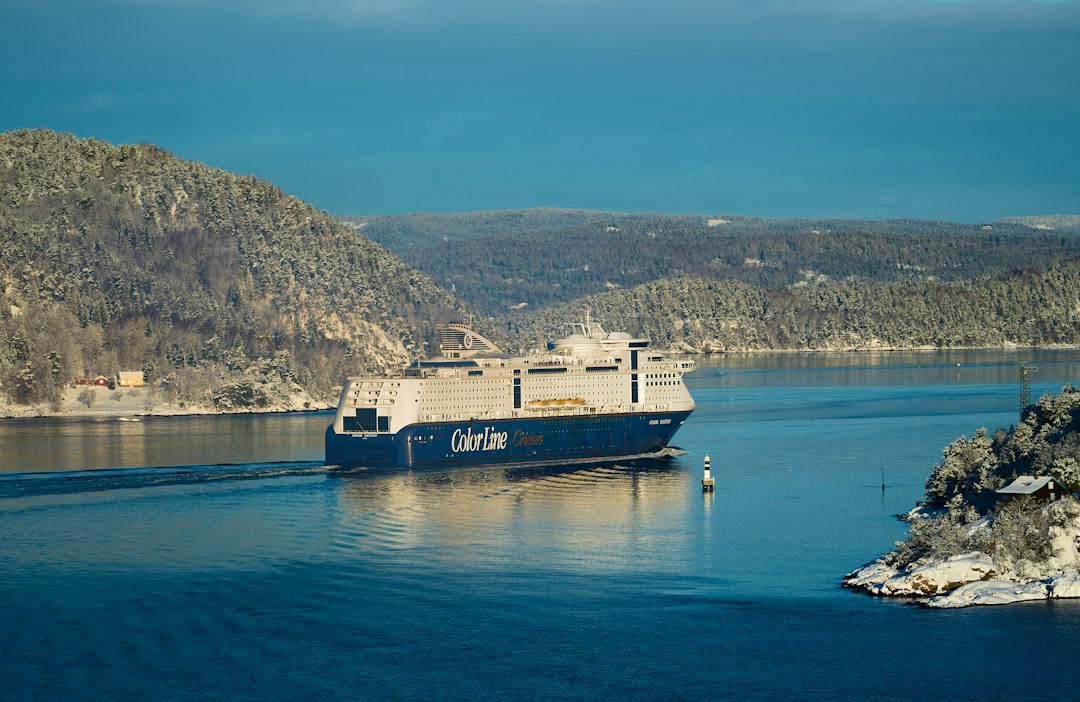
Major shipping carriers have publicly backed maritime decarbonization initiatives, with methanol and ammonia emerging as the leading zero-emission fuel candidates for 2030 targets, according to the Global Maritime Forum and recent industry analysis. These fuels rely on abundant green hydrogen feedstock produced via water electrolysis powered by renewable electricity. Ethanol is also gaining traction as a marine fuel, with several pilot projects underway to test its viability in large vessel operations.
The International Maritime Organization’s technical seminars on marine biofuels highlight the sector’s transition from traditional drop-in biofuels toward next-generation electrofuels. Multi-criteria decision frameworks now integrate life cycle assessment data to evaluate green methanol ship feasibility, weighing production pathways, infrastructure requirements, and emissions profiles. As electrolyser capacity announcements multiply across Europe and beyond, the demand signal for green hydrogen has never been stronger—but geological hydrogen could offer a complementary, lower-cost feedstock in regions with favourable subsurface conditions.
Natural Hydrogen Exploration Leverages Advanced Mapping
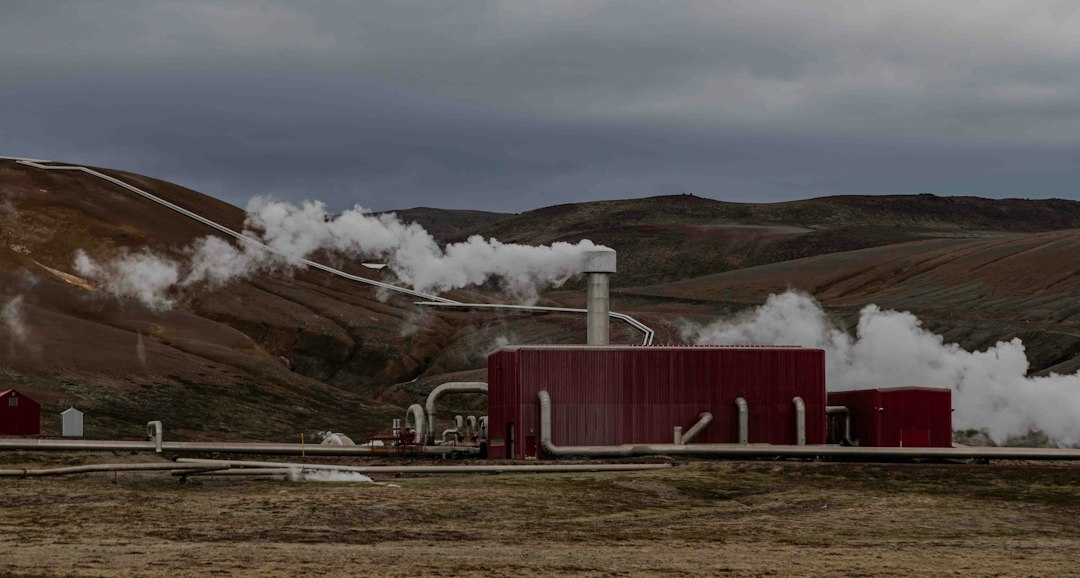
While green hydrogen infrastructure scales up, natural hydrogen exploration is maturing through AI-enhanced geological mapping and seismic interpretation techniques that identify serpentinisation zones and other subsurface hydrogen reservoirs. Projects such as REGALOR II in Lorraine and BE.Hydrogen in Belgium are investigating the commercial potential of geological hydrogen, which—if extracted at scale—could supply hydrogen at a fraction of electrolysis costs. The HY4Link pipeline initiative across the Greater Region positions cross-border infrastructure to accommodate both production pathways, recognising that hydrogen supply diversity will be critical to meeting 2030 decarbonization goals.
Canada’s PNAS study on natural hydrogen reservoirs underscores the global scope of geological hydrogen research, suggesting that subsurface hydrogen accumulations may be more widespread than previously assumed. As drilling programmes advance and governments issue supportive regulatory frameworks, the interplay between electrolytic and geological hydrogen will shape regional energy strategies—particularly in areas where renewable electricity costs remain high or grid capacity is constrained.
Convergence of Production Pathways and Policy
Industry observers note that green hydrogen and natural hydrogen need not compete; rather, they may serve different market segments and timelines. Electrolysis projects can scale rapidly in regions with abundant wind and solar resources, while geological hydrogen exploration targets cost-sensitive applications and geographies with suitable subsurface geology. EU regulation, including RED III and emerging natural-hydrogen classification standards, will determine how both pathways contribute to renewable energy targets and maritime fuel mandates. The ship.energy news hub tracks methanol fuel developments as carriers evaluate supply-chain readiness and bunkering infrastructure for zero-emission fuels.
Sources
- Zero-emission shipping fuels: A guide to methanol and ammonia | Global Maritime Forum
- Ethanol & Methanol as Maritime Fuels – IMO Technical Seminar
- Methanol Fuels in Shipping | News & Analysis | ship.energy
- Ethanol Gains Traction as Marine Fuel – Marine Link
Featured image via Unsplash.