

The Iron Problem in Alkaline Electrolysis
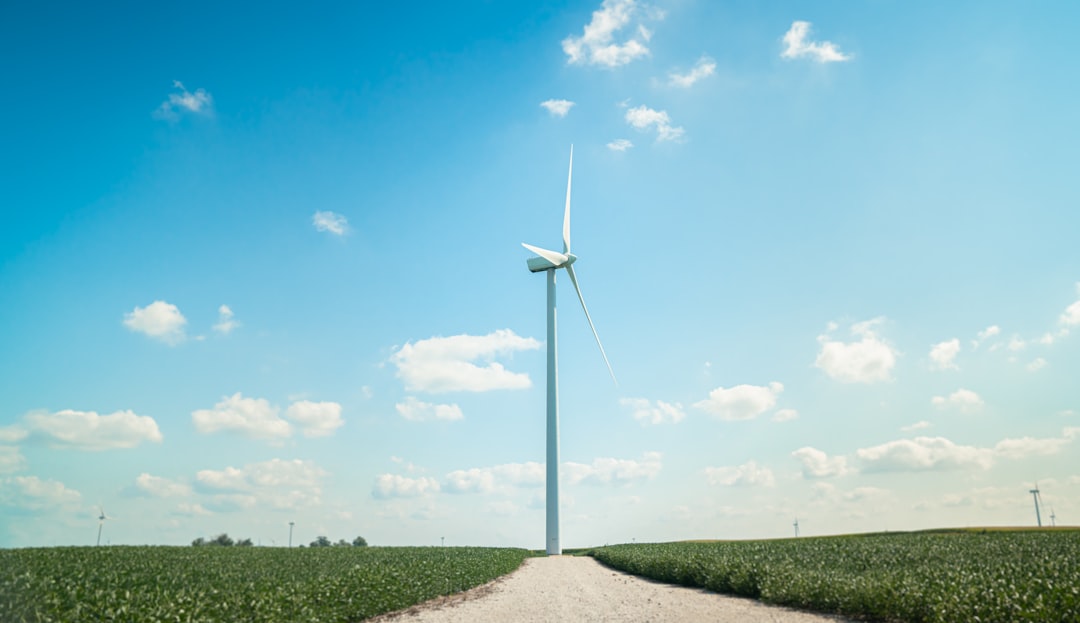
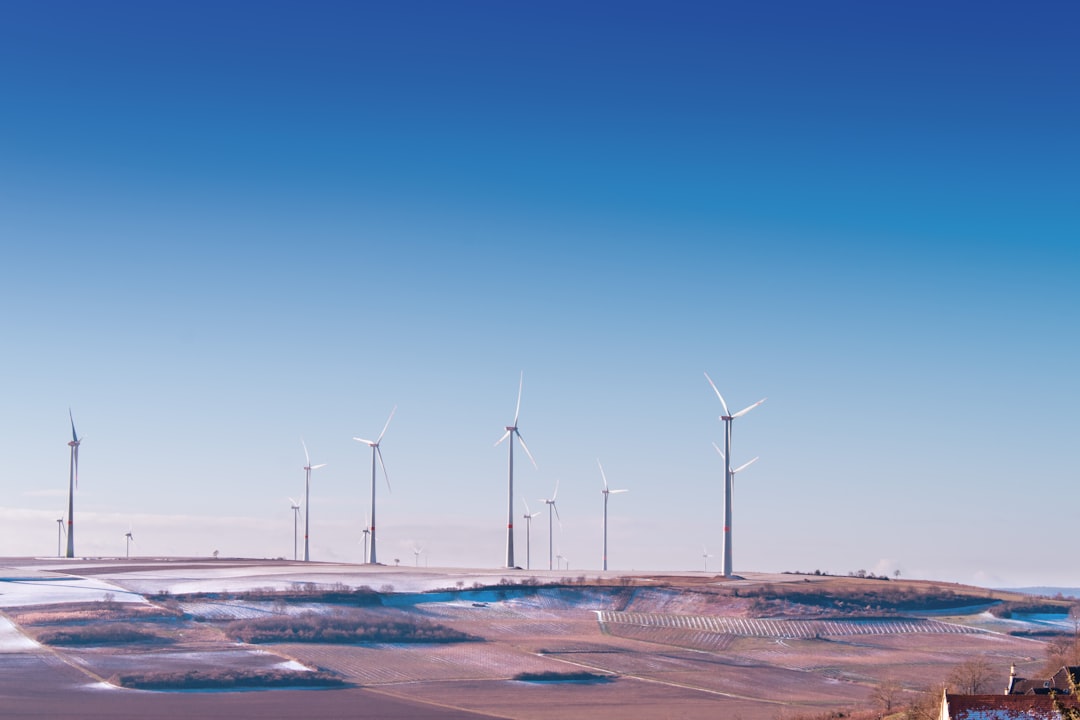
Alkaline electrolysers are the workhorse of current green-hydrogen projects: lower capital cost than PEM, no platinum-group metals, and a manufacturing base that scales readily. The University of Oregon study, however, demonstrates that when power input fluctuates — as it invariably does when the electrolyser is directly coupled to a solar array or wind farm — iron ions leach from system components into the KOH electrolyte. Those ions then deposit on electrodes, forming resistive layers that reduce Faradaic efficiency and shorten stack life. The finding matters because virtually every gigawatt-scale electrolyser project announced in 2025–2026 assumes variable-renewable input; corrective measures such as tighter material specifications, advanced filtration, or electrolyte purification loops will add both capital cost and operational complexity.
For the green-hydrogen cost trajectory, the implication is straightforward: the already unfavourable well-to-wheel energy efficiency of electrolytic hydrogen — roughly 13–20% for an e-fuel powertrain versus 70–80% for a battery-electric vehicle, meaning roughly five times more renewable electricity per kilometre — may be compounded by higher-than-projected stack replacement costs if iron contamination is not engineered out. Transport & Environment and the ICCT have long argued on this efficiency basis that e-fuels are best reserved for sectors batteries cannot serve: long-haul aviation, deep-sea shipping, heavy industry, and the existing fleet of 1.4 billion combustion vehicles. The Oregon findings reinforce that argument for cost-sensitive applications.
Why Geological Hydrogen Sidesteps the Electrolysis Problem Entirely
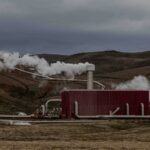
Natural hydrogen extracted directly from the subsurface consumes no renewable electricity in its production, which means the iron-contamination degradation mechanism is simply irrelevant to it. The Lorraine basin has already demonstrated that geological H₂ is not theoretical: the PTH-2 well confirmed 49.6% H₂ at 2,426 m depth in June 2026, and a borehole at 3,655 m currently stands as the world’s deepest dedicated natural-hydrogen well. The REGALOR II scientific programme and the Française de l’Énergie (FDE) drilling campaign continue to map and characterise the resource. In Belgium, the BE.Hydrogen programme — launched in March 2026 and carried by institutional partners, not this portal — is conducting a geological survey of subsurface hydrogen potential; no commercially exploitable deposit has been confirmed on Belgian territory. AI-assisted seismic interpretation and geological mapping are increasingly central to these prospecting efforts, accelerating the identification of serpentinisation zones and fault-controlled migration pathways that concentrate natural H₂ accumulations.
The HY4Link pipeline project, spanning approximately 230 km through the Greater Region, is already integrating digital twins and AI-driven flow monitoring to manage anticipated geological H₂ inputs from Lorraine, with the Belgium–Luxembourg–Grand Est industrial connection targeted for 2031. If extraction economics prove viable at scale, operators will receive hydrogen at the wellhead without electrolyser stacks, KOH electrolyte management, or the iron-ion degradation now documented by Oregon researchers.
Industrial Implications: Complementary Pathways, Not a Binary Choice
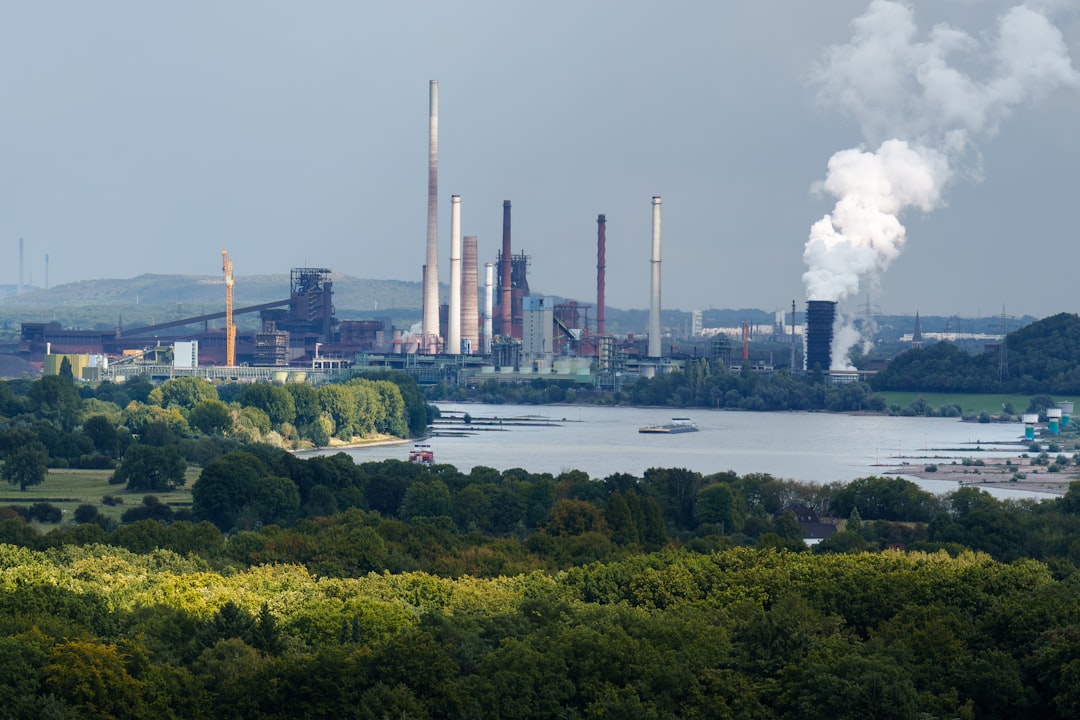
The Oregon study does not doom electrolytic green hydrogen — it signals an engineering challenge that materials science and system design can address. Electrolyser manufacturers will respond with improved component alloys, in-line monitoring, and purification protocols. The Canada PNAS study on natural hydrogen in billion-year-old Precambrian rocks, and the ongoing serpentinisation research across multiple basins, meanwhile build the scientific case that geological H₂ could supply industrial offtakers — including HY4Link’s targeted Grand Est chemical and steel clusters — without the electricity cost burden that undermines electrolytic routes in energy-constrained scenarios. The two pathways are complements: electrolytic hydrogen scales with renewable build-out; geological hydrogen, where confirmed, offers a production cost structure more analogous to natural gas extraction than to power-to-gas conversion.
Sources
Featured image via Unsplash.
This is not an official site. It is published by a private company and does not emanate from any public authority, institutional programme, government department or research organisation. It represents none of them and speaks for none of them in any capacity.
Nature of the content. Articles are documentary summaries drawn from cited public sources. They may contain inaccuracies, omissions or information that has since become outdated. No financial, technical, legal or investment advice is provided.
Always verify against primary sources. For any information concerning a public programme, a regulation or an institutional project, only the publications of the competent authority are authoritative.
© 2026 BESS Energie SRL · BCE 0698.949.732 · info@bess.be