






Why E-Methanol Matters for Natural Hydrogen
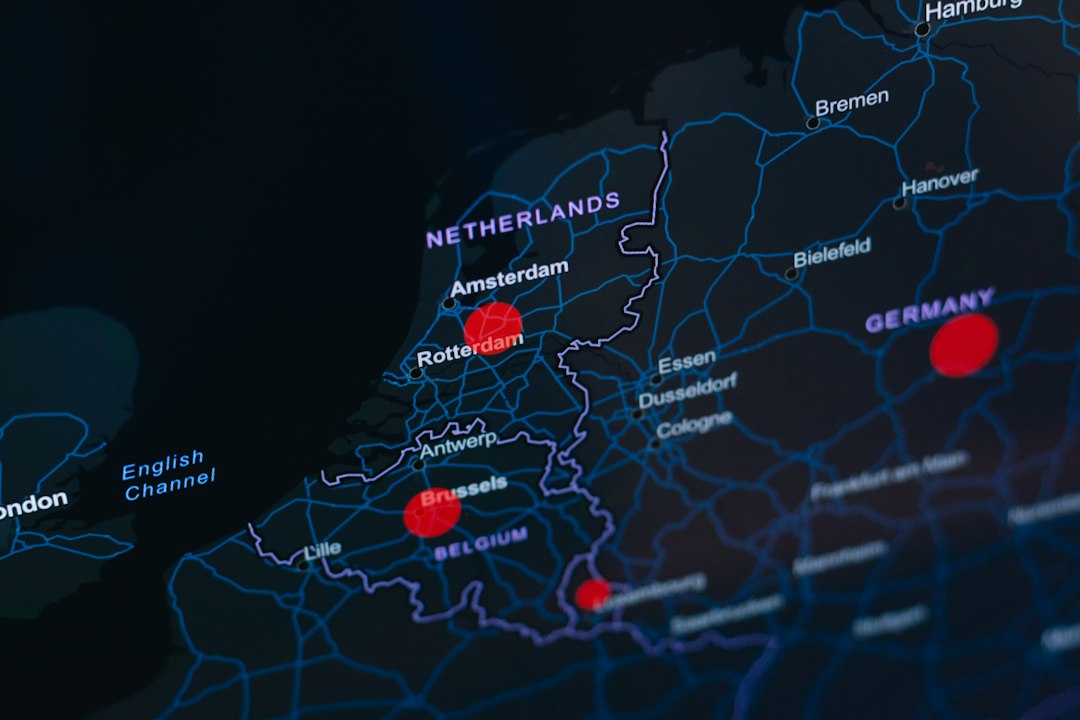
E-methanol—produced by combining green hydrogen and captured CO₂—is a drop-in shipping fuel compatible with modified marine engines and capable of reducing well-to-wake emissions by up to 95 per cent compared to heavy fuel oil. The hydrogen feedstock can come from electrolysis powered by renewables or, in theory, from low-carbon natural hydrogen extracted via serpentinisation or other geological processes. Belgium’s BE.Hydrogen programme and the planned HY4Link pipeline across the Greater Region could eventually channel natural H₂ into methanol synthesis plants, closing the loop between geoscience discoveries (such as those in Lorraine) and maritime decarbonisation mandates under ReFuelEU and RED III.
Without a steady hydrogen supply—whether from electrolysis or geological reservoirs—e-methanol production risks becoming a bottleneck for shipping’s 2030 and 2050 climate targets. This week’s absence of news underscores the sector’s reliance on upstream hydrogen infrastructure: until pipeline capacity, storage hubs, and production plants come online, announcements of new methanol off-take agreements or bunkering facilities will remain sparse.
Adjacent Technology: Range-Extender Engines
While no maritime e-methanol stories appeared, the digest did capture developments in hybrid automotive powertrains. Horse Powertrain revealed its X-Range C15 direct-drive system at Beijing Auto Show 2026, designed to hybridise battery-electric vehicle platforms and double driving range. The compact unit integrates a combustion engine, generator, and single-speed transmission into a package small enough to retrofit pure-EV architectures. Although aimed at passenger cars, the engineering principles—efficient range extension, optimised thermal cycles, digital control—mirror challenges in maritime auxiliary power units and fuel-flexible gensets that could run on methanol or hydrogen blends aboard ships.
AI, Data, and the .ai Extension
The naturalhydrogen.ai domain reflects two realities. First, artificial intelligence is increasingly deployed to optimise electrolyser duty cycles, predict pipeline flow dynamics, and model serpentinisation kinetics in geological hydrogen reservoirs—all relevant to methanol feedstock supply chains. Second, the .ai top-level domain legitimately signals a focus on data-driven decision-making: whether comparing levelised costs of e-methanol from grid electrolysis versus natural-H₂ blending, or using machine-learning to forecast bunker demand at Rotterdam and Antwerp. In a week without hard e-methanol news, these technical underpinnings remain the foundation for future announcements.
Sources
- Horse Powertrain Reveals X-Range C15 Direct Drive Powertrain for Hybridizing BEV Platforms
- Horse Powertrain demonstrates broadest powertrain solutions line-up at Beijing Auto Show 2026
- Horse Powertrain unveils hybrid system for BEV platforms
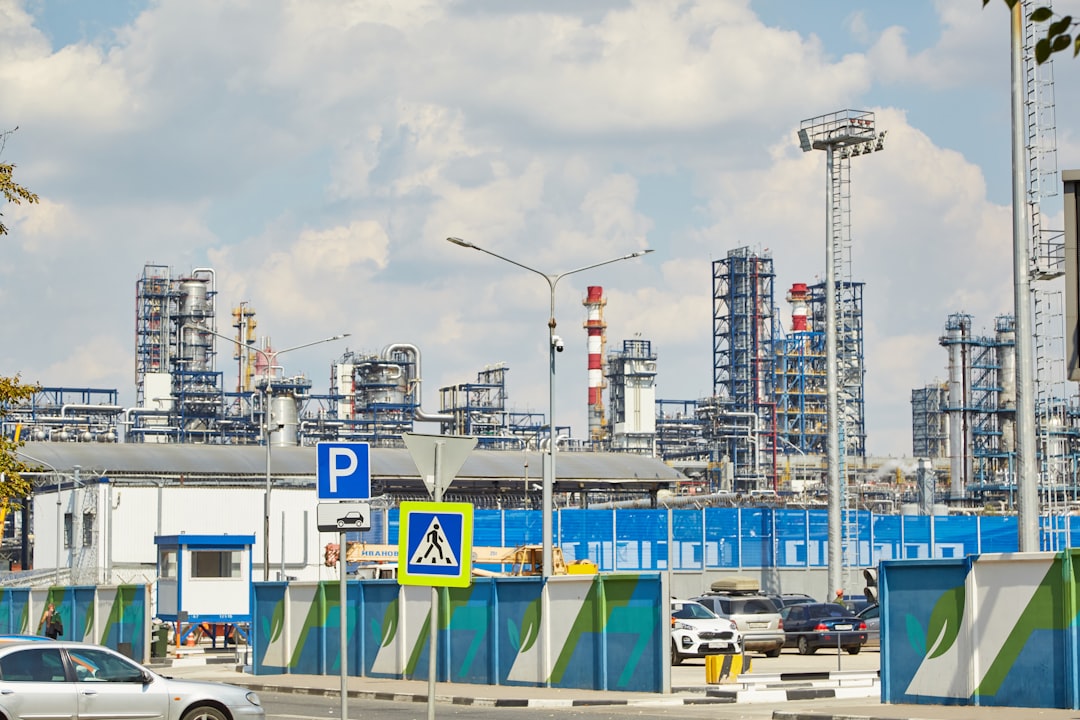
Featured image via Unsplash.