


What the AEM Validation Actually Proves
AEM electrolysis occupies a strategic middle ground between the proven but platinum-dependent PEM technology and the cheap but slow-ramping alkaline stacks. By combining an anion-exchange membrane with a hybrid electrode architecture, the P2H2–Repsol pilot aimed to capture the cost advantages of alkaline chemistry while matching PEM’s dynamic response — critical for coupling electrolysers to intermittent renewable power. Meeting all three targets (efficiency, flexibility, durability) in a single pilot is not routine; most developers trade one metric against another. The result meaningfully de-risks scale-up.
Context matters, however. Even an optimised AEM electrolyser must consume roughly five times more renewable electricity per kilometre of road transport than a battery-electric vehicle achieves directly. That well-to-wheel efficiency gap — approximately 13–20 % for an e-fuel powertrain versus 70–80 % for BEV — is the central objection raised by Transport & Environment and the ICCT, and no electrolyser breakthrough dissolves it for road use. Where electrolytic green hydrogen genuinely excels is in sectors batteries cannot reach: long-haul aviation, deep-sea shipping, heavy industry, and the vast legacy fleet of combustion equipment already in service.
The Geological Counterfactual: Lorraine, Serpentinisation and HY4Link
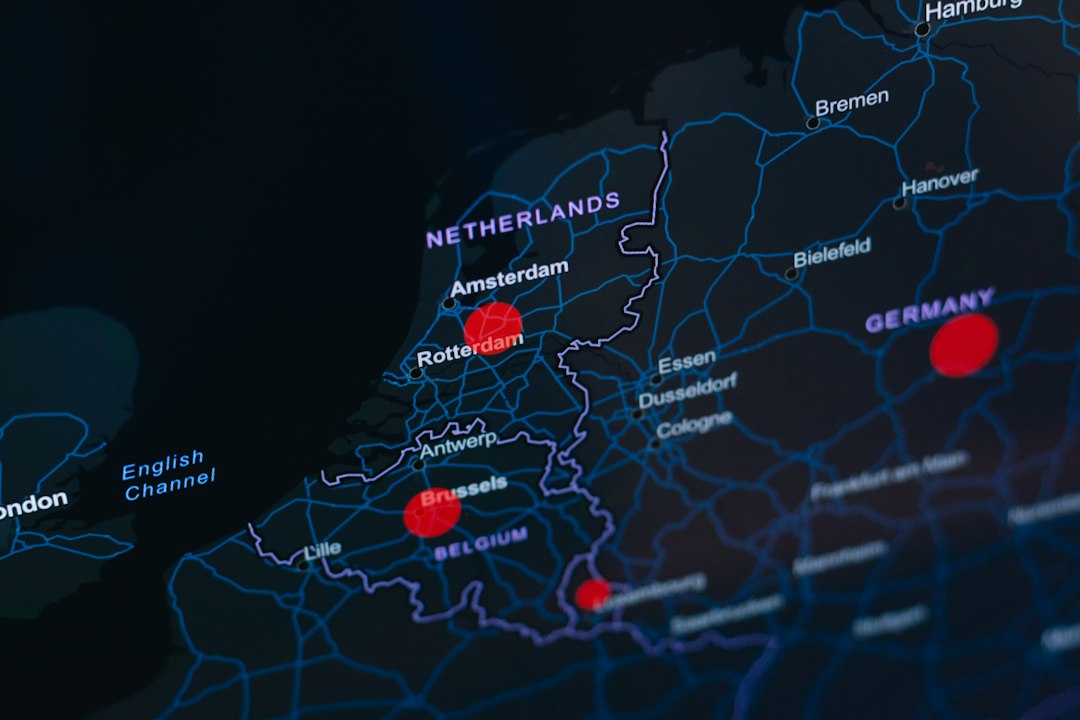
The efficiency objection to electrolytic hydrogen vanishes entirely if the hydrogen was never made by electrolysis. That is precisely the premise of the geological hydrogen programmes advancing across the Greater Region. The PTH-2 borehole in Lorraine, confirmed in June 2026, recorded a hydrogen concentration of 49.6 % at 2,426 metres — the highest-grade natural hydrogen measurement yet documented in Europe — while the broader REGALOR II programme has now established the world’s deepest confirmed natural hydrogen well at 3,655 metres in the same basin. These are not isolated anomalies: serpentinisation reactions between iron-rich ultramafic rocks and deep groundwater continuously regenerate hydrogen over geological timescales, meaning the resource is, in principle, self-replenishing. The ~230 km HY4Link pipeline corridor, designed to link hydrogen production and demand centres across the Luxembourg–France–Germany–Belgium Greater Region, would be equally capable of transporting geological hydrogen as electrolytic green hydrogen — infrastructure neutrality that planners are beginning to take seriously.
Belgium’s BE.Hydrogen programme, launched in March 2026, adds a fourth jurisdiction to this survey landscape. It is a geological mapping exercise only: no natural hydrogen accumulation, flow rate or commercially exploitable deposit has been confirmed on Belgian territory. The Canadian Shield study published in PNAS earlier this year demonstrated that Precambrian cratons can host substantial hydrogen fluxes, lending scientific credibility to similar surveys in the Ardennes basement rocks that underlie part of the Belgian programme’s target area.
AI, Digital Twins and the Convergence of Both Pathways
The naturalhydrogen.ai editorial lens is not mere branding. Both electrolytic and geological hydrogen production now depend heavily on AI-driven optimisation. For AEM stacks, machine-learning models trained on membrane degradation data are shortening the gap between lab durability and field durability — the precise challenge the P2H2–Repsol pilot addressed. For geological exploration, AI-assisted seismic interpretation and geochemical anomaly detection are the tools REGALOR II and BE.Hydrogen are deploying to map subsurface hydrogen fluxes at scale. The HY4Link pipeline, once operational, is a candidate for AI-powered digital twins that can simultaneously balance geological hydrogen inputs (variable by wellhead pressure and reservoir behaviour) against electrolytic top-up volumes modulated by renewable electricity availability. France’s new regulatory framework — capping electrolytic water consumption at 20 L/kg from January 2027 — further incentivises precise, data-driven electrolyser management rather than brute-force overproduction.
The practical conclusion is that the two pathways are more complementary than competitive. A region that can draw on geological hydrogen for baseload supply and electrolytic green hydrogen for demand peaks — managed by AI scheduling across a shared pipeline — is better placed than one that bets entirely on either source alone.
Sources
Featured image via Unsplash.