




Digital Twins for Multi-Source Hydrogen Networks
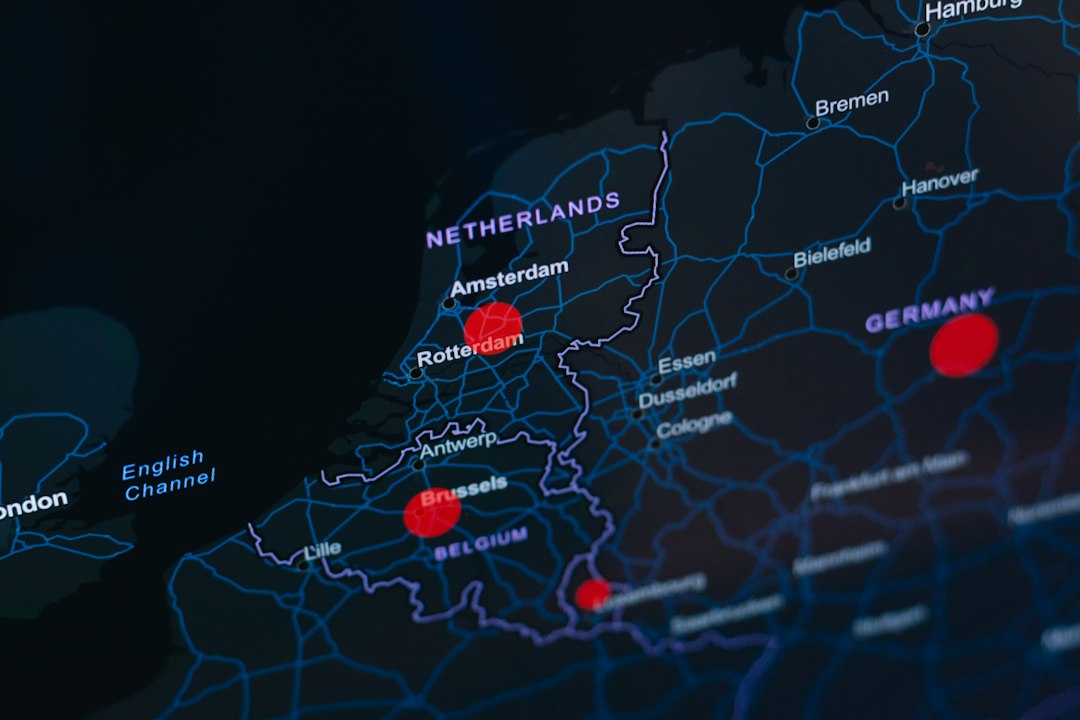
HY4Link represents a unique technical proposition: a pipeline designed to accept hydrogen from multiple origins—electrolysers in Luxembourg and Belgium, future imports, and potentially natural geological hydrogen from ongoing exploratory drilling in the Lorraine region. Digital-twin platforms create virtual replicas of the physical network, modelling flow rates, temperature gradients, gas purity thresholds, and compressor-station performance in real time. This approach is essential when blending streams of varying hydrogen isotopic signatures and trace-gas profiles, particularly if REGALOR II drilling campaigns confirm exploitable reserves of serpentinisation-derived H₂ in Carboniferous rock formations beneath Moselle.
Engineers use sensor arrays at injection nodes and offtake points to feed live data into machine-learning algorithms that predict maintenance intervals, detect micro-leaks, and optimise compressor duty cycles. For a cross-border system spanning French, Luxembourgish, and Belgian regulatory jurisdictions, a unified digital model reduces commissioning risk and accelerates compliance verification under EU hydrogen quality standards (ISO 14687), which mandate 99.97% purity for fuel-cell applications.
Geological Hydrogen and Pipeline Composition Monitoring
Natural hydrogen emerging from serpentinisation reactions—such as those studied in the Lorraine Basin—often carries trace methane, nitrogen, and helium. While REGALOR II core samples have not yet reported final isotopic fingerprints, analogous Canadian PNAS studies of Precambrian shield geology show that abiotic H₂ streams require inline purification or dedicated pipeline segments to avoid contaminating electrolytic hydrogen destined for Belgian industrial clusters. HY4Link’s digital infrastructure will likely incorporate gas-chromatography nodes at basin entry points, logging composition data to AI-driven dashboards that trigger automated blending or rerouting protocols if impurity thresholds are breached.
This capability positions the Greater Region as a test bed for hybrid hydrogen logistics: coupling centralised green electrolysis with decentralised geological production. If Lorraine wells achieve commercial flow rates, HY4Link’s data layer becomes critical for balancing supply variability—geological H₂ offers near-zero marginal cost but intermittent output depending on reservoir pressure, while electrolysers provide dispatchable capacity tied to renewable electricity availability.
AI-Driven Predictive Maintenance and Cross-Border Interoperability
Artificial intelligence applications extend beyond real-time monitoring. Predictive algorithms analyse historical vibration signatures from compressor bearings, thermal imaging of welds, and electrochemical readings from corrosion sensors to forecast component failures weeks in advance. For HY4Link, which must meet French TSO GRTgaz standards, Belgian Fluxys specifications, and Luxembourg regulatory frameworks simultaneously, machine learning reconciles divergent maintenance protocols into a single operational calendar, minimising downtime and avoiding regulatory disputes over cross-border liability.
The .ai domain for naturalhydrogen.ai reflects this convergence of geology and machine intelligence: just as subsurface sensors map Lorraine’s hydrogen reservoirs, pipeline sensors map network health. Both datasets feed decision engines that optimise extraction rates, injection schedules, and distribution routing—transforming static infrastructure into an adaptive energy system responsive to geological variability, renewable-power curtailment signals, and industrial demand fluctuations across the Greater Region.
Sources
- ReFuelEU Aviation · blend trajectory & scope | e-fuels
- NOW factsheets on EU legislation for renewable fuels – NOW GmbH
Featured image via Unsplash.