


SAF Efficiency Metrics as a Geological-Hydrogen Benchmark
The Airbus/ICF study is, at its core, a performance-metrics exercise: how many litres of feedstock, at what carbon intensity, delivered through what infrastructure, yield an aviation-grade fuel that satisfies EU and ICAO sustainability thresholds? Those are precisely the questions that the REGALOR II programme and France’s subsurface data platform FDE have been answering for geological hydrogen in the Lorraine basin. PTH-2’s confirmed 49.6% H₂ concentration at 2,426 metres — achieved at the world’s deepest natural hydrogen well at 3,655 metres total depth — is not a curiosity; it is a feedstock-purity data point that any Power-to-Liquid or e-SAF pathway would envy.
Natural hydrogen exits the serpentinisation process with no electrolyser, no grid electricity, and no iridium catalyst. That zero-opex upstream profile changes the denominator in every lifecycle-carbon calculation for synthetic aviation fuel. If Lorraine or Canadian Shield hydrogen can be piped — even partially — into a regional e-SAF production hub, the $32 billion GDP figure attached to Canadian SAF begins to look conservative.
The Canada PNAS Study, Serpentinisation, and SAF Feedstock Logic
Geochemists confirmed earlier in 2026 that billion-year-old Canadian Shield mines are sustained white hydrogen sources, with ancient ultramafic rocks driving continuous serpentinisation reactions. The same geological mechanism — water reacting with iron-rich minerals at depth to liberate H₂ — underpins the Lorraine discoveries. For SAF developers scouting low-carbon hydrogen feedstocks, this convergence is operationally significant: two of the world’s most prospective natural hydrogen provinces sit within or adjacent to major aviation markets (Europe’s Greater Region; Canada’s industrial corridor).
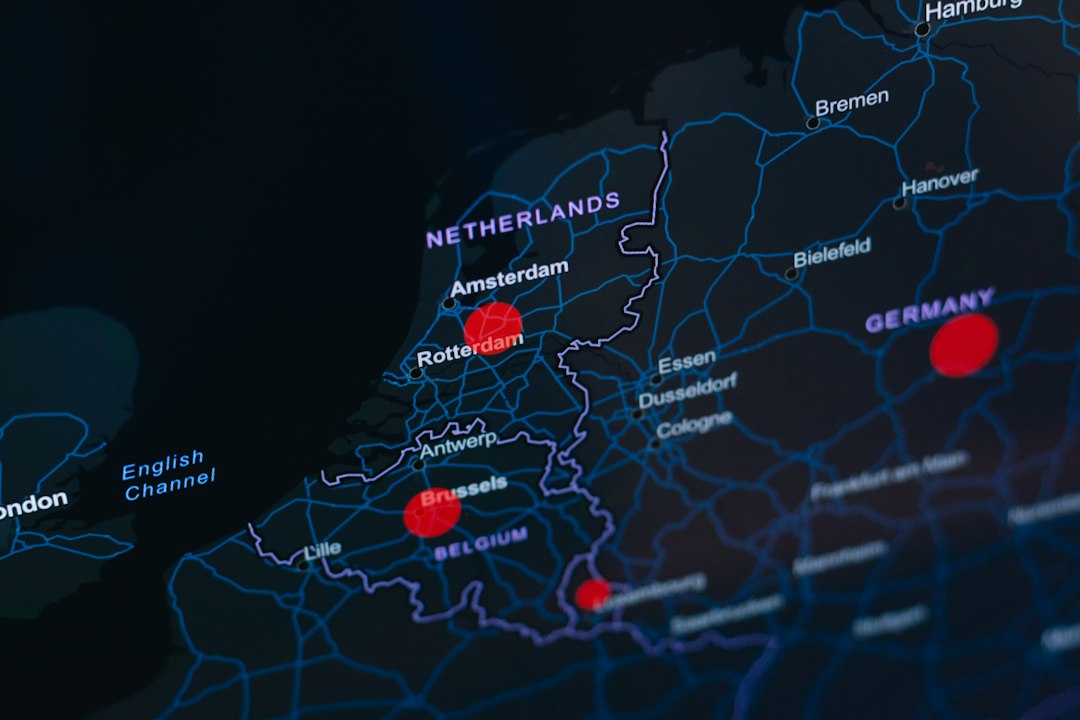
The HY4Link pipeline (~230 km, connecting the Greater Region’s hydrogen nodes) provides the infrastructure spine that would allow geological hydrogen, once commercially validated, to reach e-SAF synthesis facilities without new long-haul trunk lines. Pairing that existing corridor with the Canadian SAF scale-up blueprint creates a template for data-driven, geology-informed sustainable aviation fuel supply chains — exactly the kind of AI-optimised network topology this site exists to model.
Digital Twins, AI Yield Models, and the 2040 Horizon
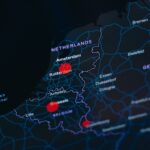
Reaching 40% SAF penetration in Canadian aviation by 2040 requires not just feedstock but forecasting: real-time yield models, pipeline digital twins, and AI-assisted carbon-accounting tools that can ingest subsurface flow data alongside refinery throughput. BE.Hydrogen — Belgium’s geological survey programme launched March 2026 — is building exactly that kind of subsurface data layer, even though no commercially exploitable deposits have been confirmed on Belgian territory. The survey’s value is algorithmic: every negative or ambiguous reading trains the regional hydrogen-occurrence models that will ultimately de-risk investment decisions for SAF project finance teams.
The naturalhydrogen.ai editorial mission sits at this intersection — translating well-log purity figures like PTH-2’s 49.6% H₂, serpentinisation reaction rates, and pipeline digital-twin outputs into the performance metrics that aviation-fuel planners, electrolyser engineers, and EU compliance officers actually use. The .ai extension is not branding; it is a statement of method: machine-readable data in, decision-grade insight out.
Sources
- Canada Successfully Exploring for ‘White’ Hydrogen Gas, a Clean Power Source Beneath Existing Mines
- Geochemists find natural white hydrogen source in billion-year-old Canadian Shield
- Scientists discover massive natural hydrogen source beneath Canada | ScienceDaily
- White Hydrogen Discovery in Canada Reveals Massive Underground Energy Potential
Featured image via Unsplash.